 Skip to content

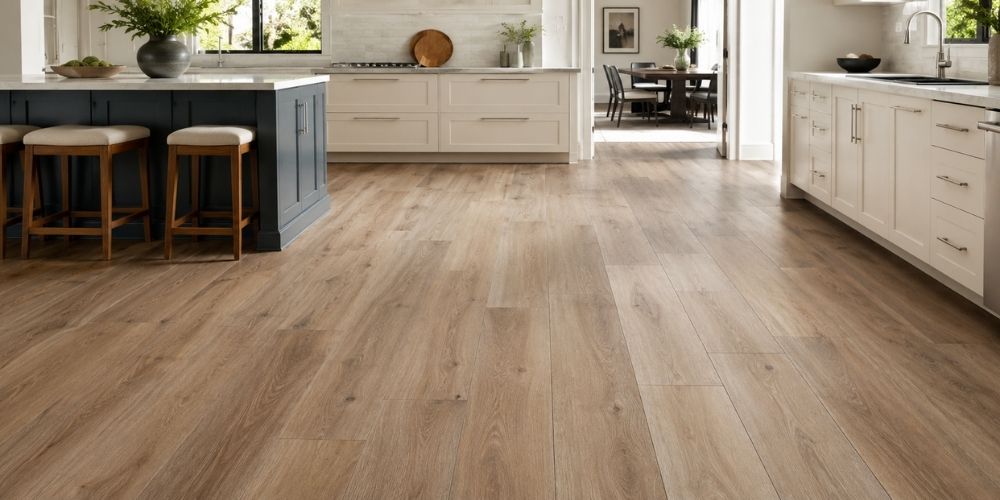
Kitchens are rough on floors. Water pools near the sink. Something drops during dinner prep almost every night. Pans get dragged, chairs scrape, people are in and out constantly. A floor that holds up fine in a bedroom can fall apart in a kitchen within a year. That catches homeowners off guard.
Most flooring looks fine when it’s freshly laid. That’s not really the test. The real test comes months later, once daily cooking, spills and general kitchen chaos have had their way with the surface. Some floors barely show it. Others start looking tired almost right away.
Homeowners planning a kitchen upgrade often look at ideas from Horizon Bespoke Joinery when working out how flooring, cabinets and the rest of the layout should come together.
So what type of flooring is best for kitchen use? There isn’t one right answer, honestly. It comes down to how the kitchen actually gets used, how much upkeep a household is realistically willing to do and the overall look they’re going for. Three materials keep coming up though: porcelain tile, luxury vinyl and engineered wood.
How Kitchen Use Affects Flooring Choice
All in all, if you want to decide on how a kitchen gets used day to day, it says a lot about how the flooring takes place. As well as how it works and functions with everything else around it. For one thing, a busy family kitchen, meals most nights, kids running through, constant cleaning, puts more strain on a floor than one that barely gets touched.
Before picking a material, a few things are worth working through:
- how much foot traffic the space gets
- how often water and spills happen
- what the household’s cleaning habits actually look like
- whether standing on it for long stretches feels okay
Porcelain Tiles For Kitchen Floors
Firstly, the matter for Porcelain is that it handles moisture and daily wear better than most materials out there. The finishes have come a long way too, plenty of options now copy natural stone or timber convincingly.
Cleaning is where it earns its reputation. Spills wipe up fast, no staining, no fuss.
It’s not without downsides though. Standing on it for a while during a long cooking session gets uncomfortable, it’s a hard surface underfoot and it runs cold come winter. The grout lines need occasional attention too, even if the tiles themselves barely need touching.
Luxury Vinyl Flooring In Kitchens
Luxury vinyl has gained popularity since it doesn’t compromise style and function. Newer goods replicate wood and stone so well that most people can’t tell from afar.It’s softer underfoot too, which matters more than people expect once they’ve stood at the counter for an hour. Spills and everyday cleaning aren’t a problem either.
Quality varies. Brands vary in thickness, construction and wear layer. Good vinyl will last in a busy kitchen, but cheap vinyl won’t.
Engineered Wood For Kitchen Spaces
Wood adds warmth that tile and vinyl usually can’t match and it suits pretty much any style of kitchen. Solid wood struggles in wet spaces though and kitchens are full of moisture, humidity swings, spills that sit too long.
Engineered wood handles that better. It’s built from layers stacked under a real wood surface, which gives it more stability than solid wood ever has. Spills still need wiping up though, leaving water sitting on it is asking for trouble.
For anyone who wants a wood floor without gambling on solid boards, engineered is usually the smarter call.
Kitchen Flooring Mistakes To Avoid
A lot of flooring regrets start the same way, someone picks based on looks alone. A few mistakes come up again and again:
- ignoring moisture until it’s too late
- underestimating how much cleaning a material needs
- picking something that doesn’t match daily use
- rushing or skipping proper installation
Installation matters more than most people realize. Even a great floor performs badly if the prep underneath was rushed. Comparing options before committing saves headaches down the line.
Conclusion
There’s no single best kitchen floor, not really. It depends on what the household needs, how much upkeep people are willing to put in and what look they’re after. Porcelain, luxury vinyl and engineered wood can all work well, it just depends on getting the match right.
A kitchen that’s planned properly treats flooring as part of the whole picture, not something bolted on at the end. Anyone working through a full upgrade can explore Bespoke Kitchen Renovations to see how it comes together.
