

REVIEWS
Trusted for over 33 Years
Dream Home Incomplete?
Let Horizon Windows complement your bespoke interiors with premium windows and doors built for lasting quality.
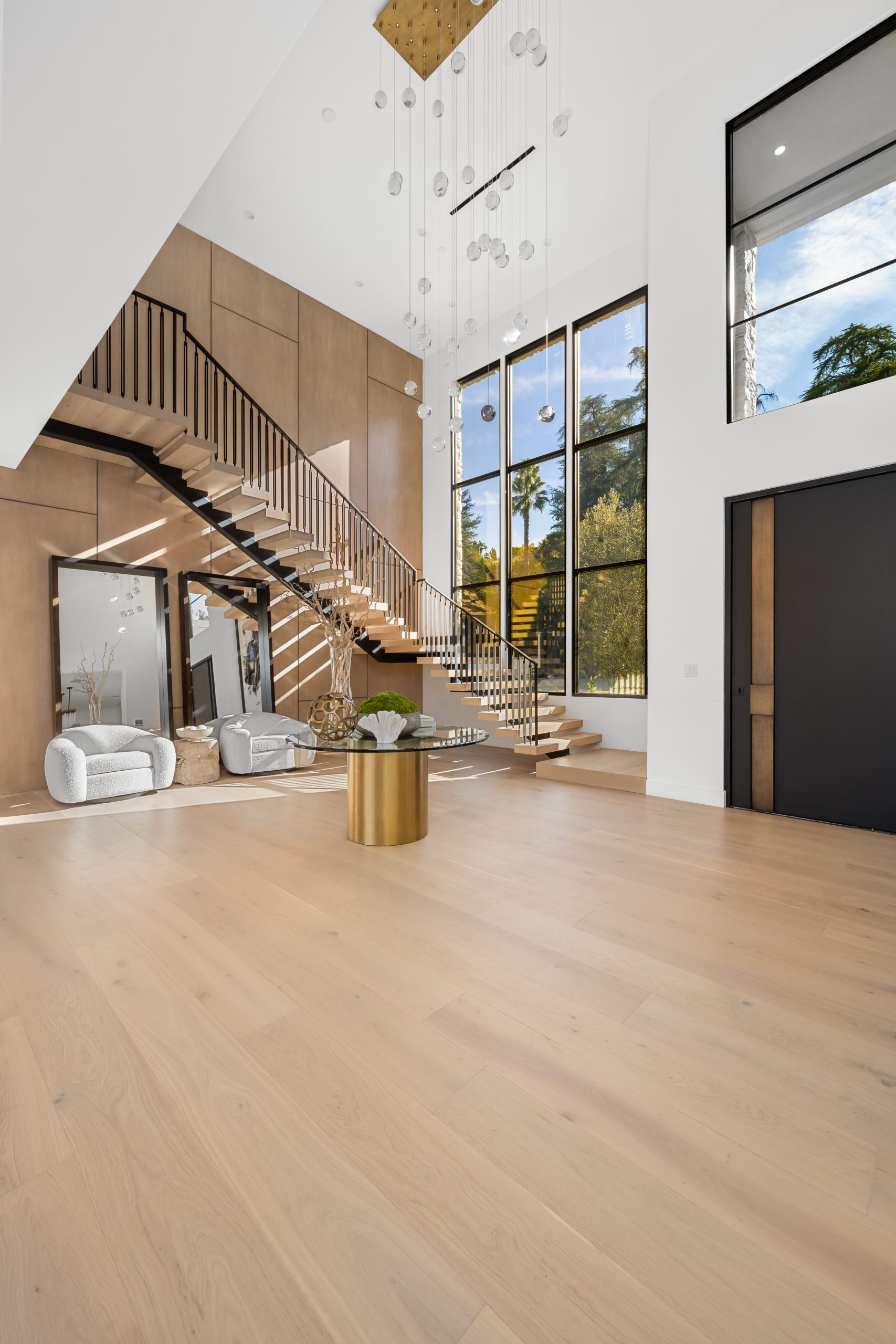
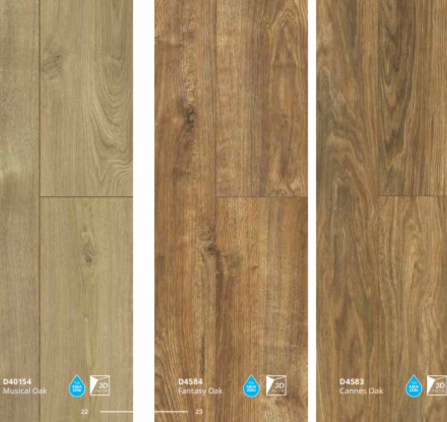
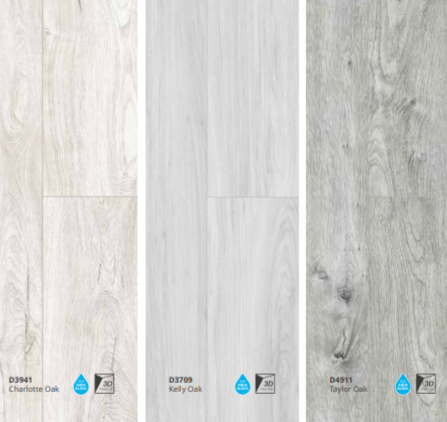
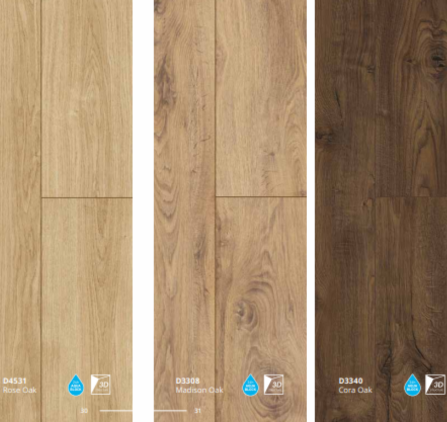
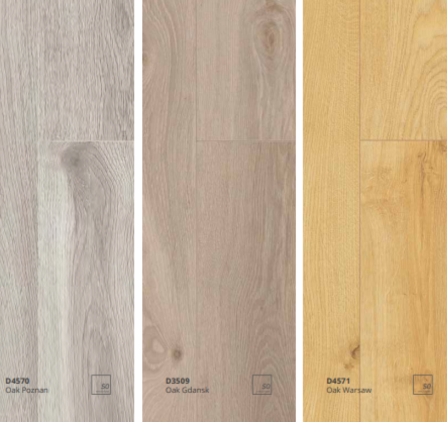
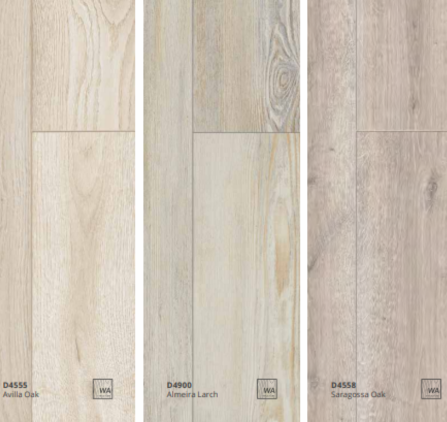
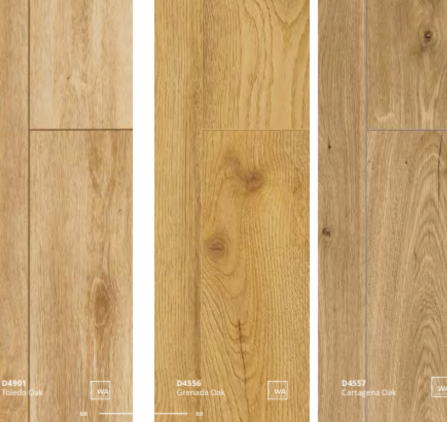
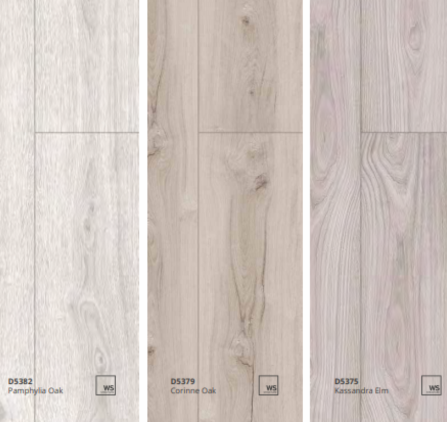
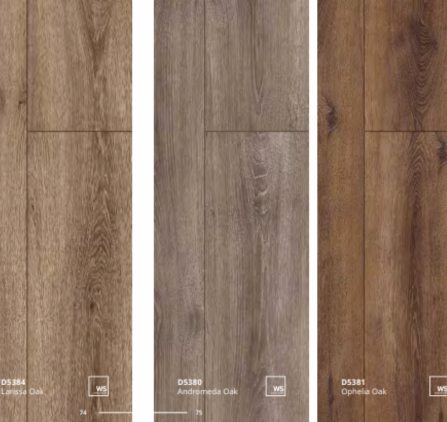
We specialise in Installing high end quality engineered wood flooring to upscale your home all across Dublin. Our expert team is highly dedicated to delivering beautiful durable flooring that is made to last. Whether you’re renovating or building a new one. We provide personalised solutions to your new or existing home that make sure a professional installation every time.
Get a Free Quote!
FREE SITE VISIT
We can advise on design, installation and everything in between.
FREE QUOTATION
A free no obligation quote for our professional and reliable services.
GUARANTEE
We lovingly craft our pieces by hand and only use the latest technology.
First, our team allows the flooring to adapt to your room’s temperature and humidity for 48-72 hours (about 3 days). While this happens, we prepare the subfloor to make sure its clean, dry, and level with no more than a 3mm (about 0.12 in) variation over a 2-meter span. If your subflooring is concrete or in a moisture-prone area, we apply a moisture barrier to protect the flooring.
Next, we choose the best installation method: click-lock, glue-down, or nail-down according to the client’s need or the space requirement. For click-lock, the planks simply lock together, requiring no nails or glue. Glue-down involves spreading adhesive, which needs 24-48 hours (about 2 days) to cure, while nail-down secures the planks with 32-50 mm (about 1.97 in) nails.
We carefully measure and cut the planks to fit, starting along the longest wall and keeping a 10 mm (about 0.39 in) expansion gap around the room. This allows the wood to expand and contract naturally. Once installation is done, we remove the spacers and add trim or transition strips to cover the gaps. If we’ve used the glue-down method, we let the adhesive fully cure before moving furniture back.
REVIEWS
Trusted for over 33 Years
When it comes to the comparison between engineered vs laminate flooring. Engineered flooring is a better choice than laminate flooring. Engineered flooring gives you an authentic wood look and it is highly durable.
However, if you are looking for an affordable option you can install laminate flooring. Laminate may look similar from a distance. If you're looking for a high-end feel, engineered wood is the best option for you.
Yes engineered wood is safe because high-quality engineered wood is produced to meet strict standards, like the California Air Resources Board (CARB) Phase 2 compliance, which limits formaldehyde emissions to safe levels.
The maximum allowed formaldehyde emission under CARB standards is 0.05 parts per million (ppm), ensuring that the flooring is safe for indoor air quality. You can look for engineered flooring that is certified as low-VOC (volatile organic compounds) to further guarantee its safety.
Our 20mm wood engineered flooring is highly durable and can be installed in multiple locations inside your homes, especially in kitchens and living rooms, where it has the most traffic. The multilayer construction prevents from warping, shrinking and expanding. Also the thickness is itself eliminate the need of subflooring making it ideal and suitable for every dublin homes.
Get the sophisticated aesthetic of wood without the worry. Engineered wood flooring is a smart choice for any homeowner, providing superior resistance to everyday wear and tear. Enjoy a beautiful, long-lasting floor that adds real value to your property.
Engineered wood isn’t fully waterproof however it’s more water-resistant than solid hardwood. Engineered wood is constructed with a top layer of real hardwood and with many layers of plywood or high-density fiberboard (HDF) underneath. This layered structure gives more stability which make it less prone to warping or swelling when exposed to moisture.
You can confidently use engineered wood in areas with moderate moisture like kitchens, basements, and half-bathrooms because the plywood or HDF layers provide stability and resist moisture better than solid wood.
Identifying engineered wood flooring is relatively simple once you know what to look for. Engineered wood is made up of multiple layers. If you cut a small piece or look at the edge of a plank, you’ll notice the top layer is real hardwood, typically around 0.6 mm to 6 mm thick. Underneath, there are multiple layers (usually 3 to 12) of plywood or high-density fiberboard (HDF) stacked in a crisscross pattern for stability.
However you can knock on the flooring with your knuckles or tap with a hard object. Engineered wood will produce a more hollow sound compared to solid wood due to its layered construction. This is a quick way to differentiate between engineered and solid hardwood.
Engineered wood flooring is highly durable and can be installed in most household places, but it still requires some sort of care to maintain its lifespan.
Vacuum regularly, using doormats and cleaning spills immediately, can be done on a daily or weekly basis.
Never use harsh chemical and always use appropriate chemical and before trying test in an inconspicuous area. Also make sure to deep clean in every 3 to 6 months.
You should choose engineered wood flooring in Dublin due to it's moisture resistance, sound insulation, scratch resistant and impact resistant.
Moisture Resistance: Moderate to High (varies by core material)
Sound Insulation (IIC Rating): 55-70 IIC (varies with underlay).
Scratch Resistance: Medium to High (depends on finish).
Formaldehyde Emission Levels: ≤0.05 ppm (CARB Phase II/E1 certified)
Expansion Gap Requirement: 8 mm to 12 mm.
Impact Resistance: Medium to High
Thermal Conductivity: 0.14 to 0.17 W/mK
Underfloor Heating Compatibility: Yes, with temperature limits (typically <27°C).
Engineered wood is generally lighter than solid hardwood because of its layered construction, which includes plywood or high-density fiberboard (HDF) cores. A typical plank weighs 35-45 pounds per box, depending on the thickness and wood species.
Engineered wood flooring is generally more resistant to scratches than hardwood flooring. This is because of a protective coating like UV-cured polyurethane or aluminum oxide, which provides excellent resistance to surface scratches.
Engineered wood flooring can last between 20 to 30 years or more, depending on the thickness of the top wear layer and how well you maintain it.
Engineered wood is generally quieter than solid hardwood. This is because the a sound-absorbing underlayment can reduce noise from footsteps or objects dropped on the floor. You may notice a slight “hollow” sound when walking on a floating installation compared to glue-down or nail-down methods.
While engineered wood is more moisture-resistant than solid hardwood, it is not waterproof. The wood veneer on top can absorb water if exposed to it for extended periods, which could lead to warping or swelling. However, the plywood or HDF core adds stability, making it more resistant to moisture than solid wood.
Yes, you can wash engineered wood flooring, but you need to be careful. Use a damp (not wet) mop or cloth, and avoid letting water sit on the surface. Excessive water can seep into the seams and damage the wood. It’s best to use a cleaner specifically designed for hardwood or engineered wood flooring.
Yes, you can oil engineered wood flooring, but only if the top layer is made of real wood and the finish allows it. Oiling can help restore shine and protect the wood, especially if the flooring was originally installed with an oil finish. Make sure the oil is compatible with the type of wood and finish used on your floor.
Yes, you should mop engineered wood flooring, but it’s important to use a damp, not wet, mop. Too much water can damage the wood layers and cause warping. Stick to a microfiber mop or soft cloth and a cleaning solution designed for wood floors to keep your engineered wood in top condition.
Engineered wood flooring typically ranges in thickness from 3/8 inch (9.5 mm) to 3/4 inch (19 mm). The top hardwood layer can be anywhere between 0.6 mm and 6 mm thick, which determines how many times the floor can be sanded and refinished.
Yes, you can paint engineered wood, but it’s not recommended because it covers the natural wood grain and beauty of the top veneer. If you choose to paint it, ensure you use a high-quality primer and paint that adheres well to wood surfaces. Keep in mind that painting may void the manufacturer’s warranty.
Yes, you can sand engineered wood flooring, but only if the top hardwood layer is thick enough. Floors with a wear layer of at least 2-4 mm can typically be sanded and refinished a few times over their lifespan. If the wear layer is thinner, sanding may damage the wood or expose the core layers.
Copyright 2026. Horizon Bespoke Joinery | All Rights Reserved